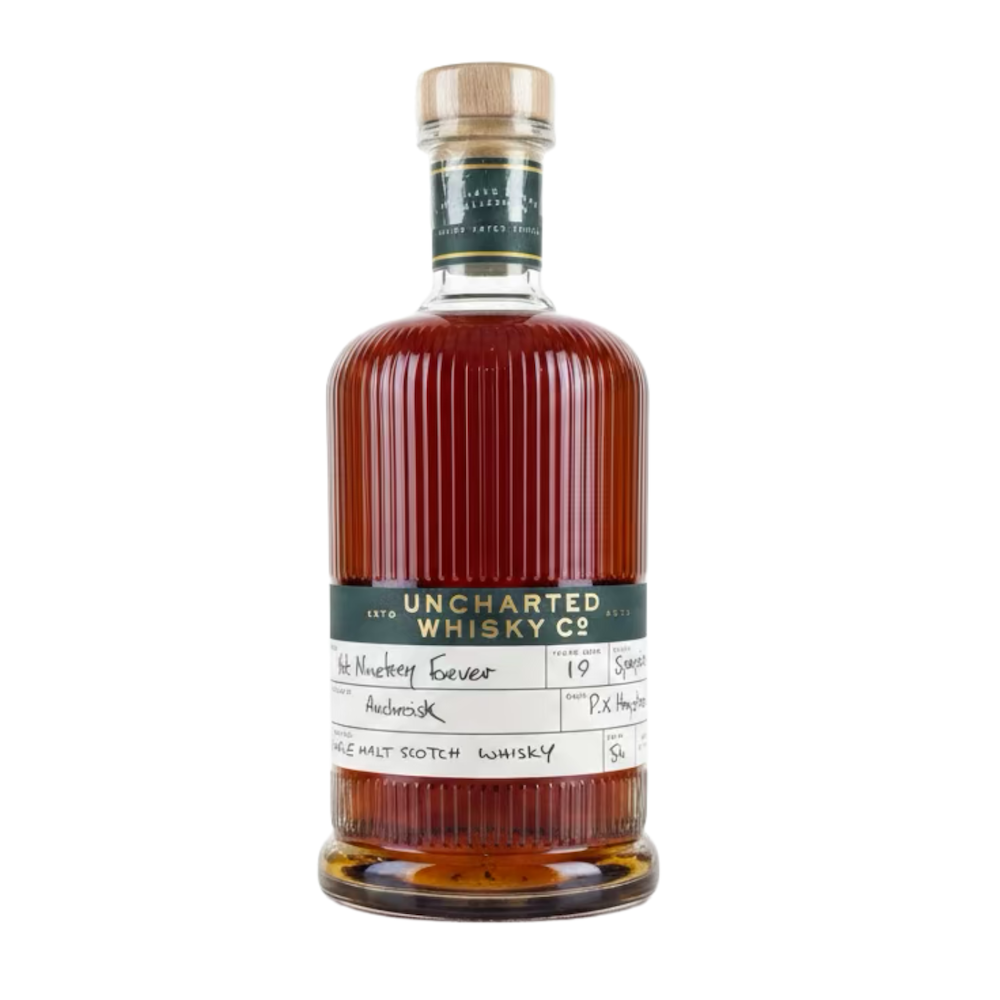

Buying Whisky Casks: Risks, Considerations, and Due Diligence
Interest in buying whisky casks has grown steadily in recent years. For some, the appeal lies in a genuine passion for Scotch whisky and long-term maturation. For others, it is the attraction of owning a tangible asset connected to a globally recognised luxury category.
However, whisky cask ownership is not straightforward. A cask is not a finished product, and buying one involves legal, financial, logistical, and market considerations that are often underestimated by first-time buyers.
This article aims to be clear about the risks involved, and about why careful due diligence is essential before buying a whisky cask.
Whisky casks are not “get rich quick” sure bets
One of the most important things to understand when buying whisky casks is that they are long-term and illiquid by nature. Unlike bottled whisky, shares, or funds, there is no instant or guaranteed resale market.
A whisky cask may need to be held for many years before it reaches a point where selling or bottling becomes commercially viable. Even then, realising value depends on finding a willing buyer at the right time. Market demand can shift, distillery reputations can change, and certain styles can fall out of favour.
Prospective buyers should therefore be comfortable treating a whisky cask as a specialist asset that requires patience, understanding, and a long-term view, rather than something that can be easily traded or relied upon for short-term returns.
Proper documentation is vital
Clear provenance and correct documentation are fundamental to whisky cask ownership. Without them, a cask can become difficult (or in some cases impossible) to sell, transfer, or bottle.
At a minimum, buyers should expect full clarity on:
- Distillery name and spirit type
- Fill date and current age
- Cask type and size
- Current warehouse location
Most importantly, ownership should be confirmed by a Delivery Order, which is the legal document proving title to a specific cask held in an HMRC-approved bonded warehouse.
If a supplier cannot provide a Delivery Order issued in the buyer’s name (or suggests it is unnecessary) that should prompt further investigation. Clear evidence of ownership is essential for legal certainty and future flexibility.
Not all distilleries are created equal
When assessing whisky casks for sale, the reputation of the distillery and long-term market demand are critical considerations. While spirit quality matters, commercial outcomes are heavily influenced by brand recognition and buyer interest.
Some distilleries benefit from consistent global demand and active secondary markets for both casks and bottled releases. Others, while producing excellent whisky, may attract more limited interest from bottlers and private buyers.
It is worth researching:
- Independent bottlings from the distillery
- Auction performance of bottled releases
- How frequently casks from the distillery change hands
Not all casks are created equal
A whisky cask is a dynamic asset. Over time, the interaction between spirit and wood shapes flavour, aroma, alcohol strength, and overall quality.
Key factors include:
- Previous cask use (bourbon, sherry, wine, etc.)
- Fill strength and initial spirit quality
- Warehouse environment and storage method
- Natural evaporation, known as the angel’s share
Maturation risk is often overlooked. A poorly performing cask may lose alcohol strength too quickly, develop unbalanced flavours, or fall below the legal bottling strength of 40% ABV. Once this happens, the options available to the owner become far more limited.
How a cask is stored and monitored can be just as important as the distillery name itself.
Factor in all the costs
The purchase price of a whisky cask is only one part of the overall cost. Ongoing and eventual expenses can materially affect outcomes and should be clearly understood before committing.
Typical costs include:
- Annual bonded warehouse storage
- Insurance
- Sampling or regauging
- Bottling, packaging, and logistics
- UK duty and VAT if bottled
Smaller casks or longer holding periods can magnify these costs. Sensible due diligence means looking at the full lifecycle cost of ownership, not just the headline purchase price.
Warning signs
Whisky casks can perform well over time, but they are not guaranteed investments. Claims of fixed returns, short holding periods, or “risk-free” outcomes should always be treated with caution.
High-pressure sales tactics (such as repeated calls, artificial deadlines, or claims of exclusivity) are rarely aligned with good outcomes for buyers. Reputable suppliers allow time for consideration, encourage questions, and support independent verification.
A sound opportunity should still stand up to scrutiny once the urgency is removed.
Do your own research
Independent research is a vital part of buying whisky casks responsibly. Buyers should aim to validate information across multiple sources rather than relying on a single narrative.
Useful steps include:
- Comparing pricing across different cask brokers
- Checking customer reviews on sites like Trustpilot
- Consulting trade bodies like the Scotch Whisky Association
- Consulting HMRC guidance
- Getting independent financial advice (find an adviser on Unbiased)
- Read other bits of research like ProtectYourCask.com and CaskReview.com
No single resource provides a complete picture, but consistency across sources can be very informative.
Think about why you’re buying a cask
Before committing to a purchase, buyers should be clear about their own objectives. A cask intended for eventual bottling may differ significantly from one held for resale or long-term maturation.
Questions to consider include:
- Is the goal to bottle under a private or commercial label?
- Is resale to another buyer or bottler more likely?
- How long is the intended holding period?
Aligning the cask with these objectives helps ensure expectations are realistic and decisions are properly informed.
Take a measured approach
Whisky cask ownership can be rewarding, but it is not passive and it is not without risk. Buyers who take the time to understand documentation, costs, maturation dynamics, and market demand are far better positioned than those who rely on enthusiasm alone.
Careful due diligence and thorough research are not barriers to buying whisky casks. They are simply part of owning something that takes years to become what it is meant to be.
Frequently Asked Questions About Buying Whisky Casks
Is buying whisky casks a safe investment?
Buying whisky casks involves risk, and outcomes are not guaranteed. While some casks increase in value over time, others may underperform due to factors such as market conditions, distillery demand, maturation performance, or ongoing costs. Whisky casks are best viewed as specialist, long-term assets rather than low-risk or short-term investments.
What documentation should I receive when buying a whisky cask?
Buyers should expect clear information covering the cask’s distillery, fill date, cask type, size, and warehouse location. Most importantly, ownership is typically confirmed by a Delivery Order, which is the legal document proving title to a specific cask held in an HMRC-approved bonded warehouse. Without a Delivery Order issued in the buyer’s name, future resale or bottling can become more complicated.
How long do I need to hold a whisky cask?
There is no fixed holding period. Many casks are held for 10 years or more, depending on maturation, market demand, and the owner’s objectives. Buyers should be comfortable holding a cask for an extended period, as whisky casks are illiquid and cannot always be sold quickly.
What are the ongoing costs of whisky cask ownership?
Ongoing costs typically include bonded warehouse storage, insurance, and occasional sampling or regauging. If the whisky is eventually bottled, UK duty and VAT will apply, along with bottling, packaging, and logistics costs. These expenses can have a material impact on overall outcomes and are worth factoring in from the outset.
Can a whisky cask lose value over time?
Yes. While maturation can enhance quality, a cask may lose commercial appeal if market demand weakens, the distillery’s profile changes, or maturation results in less desirable flavour development. Evaporation can also reduce volume and alcohol strength, which may limit future bottling options.
Is the distillery name the most important factor?
The distillery is important, but it is not the only factor. Cask type, fill quality, storage conditions, and long-term demand all play a role. Two casks from the same distillery can perform very differently depending on how they mature and how they are managed.
What does it mean if a cask is held in an HMRC-approved bonded warehouse?
An HMRC-approved bonded warehouse is a regulated facility where duty and VAT are suspended while whisky matures. Storing casks in bond is a legal requirement for Scotch whisky and helps ensure proper record-keeping, security, and compliance. Buyers will usually want to understand where their cask is stored and who operates the warehouse.
Are guaranteed returns on whisky casks realistic?
Guaranteed returns should be approached with caution. Whisky casks are influenced by factors such as maturation performance, market demand, costs, and timing. No outcome can be guaranteed, and claims suggesting otherwise are worth examining carefully.
Can I bottle the whisky from my own cask?
Yes, provided the whisky meets legal requirements, including minimum age and alcohol strength. Bottling involves additional costs, regulatory compliance, and logistical planning. These factors are worth understanding early, as they can materially affect the overall economics of a cask.
What questions should I ask before buying a whisky cask?
Useful questions to consider include:
- Where is the cask stored?
- Will ownership be confirmed by a Delivery Order?
- What are the ongoing storage and insurance costs?
- How has the cask been monitored over time?
- What realistic exit options may be available?
Is whisky cask ownership suitable for everyone?
Whisky cask ownership is best suited to those who understand the long-term nature of the asset and are comfortable with its risks. It may not be appropriate for anyone seeking guaranteed returns, short-term liquidity, or a fully passive investment.













Leave a comment
This site is protected by hCaptcha and the hCaptcha Privacy Policy and Terms of Service apply.